When it comes to plumbing and water supply systems, proper installation of SCH 40 pipe products is crucial for achieving optimal performance. These pipes are commonly used due to their durability, but ensuring they are correctly supported during installation is essential to avoid future issues.
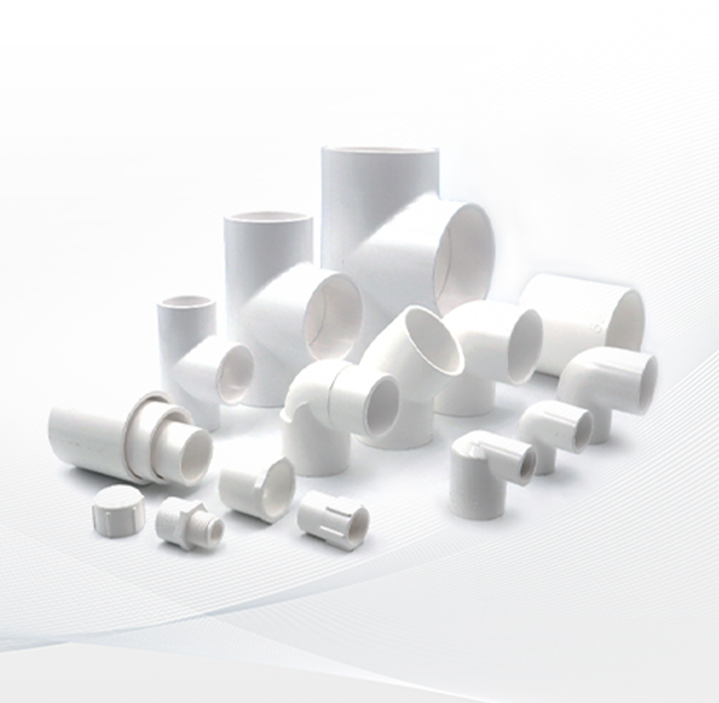
Importance of Supporting SCH 40 Pipes
Supporting SCH 40 pipes adequately helps prevent sagging or movement, which can lead to leaks or breakage over time. Proper support not only enhances the longevity of the pipes but also ensures that water flows efficiently. This is particularly important in both residential and commercial applications.
Guidelines for Supporting SCH 40 Pipes
LESSO America provides valuable recommendations for the installation and support of SCH 40 pipes. They suggest using hangers and brackets at appropriate intervals to maintain the integrity of the pipe system. The general guideline is to place supports every 10 feet for horizontal runs and at least every 5 feet for vertical runs.
Additionally, ensuring that the supports do not pinch or deform the pipe is critical. Using padded hangers can help distribute weight evenly, minimizing stress on the pipes.
Types of Supports for SCH 40 Pipes
There are various types of supports available for SCH 40 pipes, including:
Pipe Hangers: Ideal for suspended installations, they support the pipe without restricting movement.
Brackets: Suitable for securing pipes against walls or other structures.
Riser Clamps: Used for vertical installations to hold pipes in place securely.
Choosing the right support system is essential to ensure stability and reliability.
Conclusion
In conclusion, proper support during the installation of SCH 40 pipes is vital for maintaining an efficient water supply system. By following the guidelines provided by LESSO America and utilizing suitable support types, installers can enhance the longevity and performance of their pipe systems. Ensuring that these pipes are well-supported will ultimately lead to a more reliable and effective plumbing infrastructure.